
The Benefits of Telehealth
Telehealth has rapidly become a valuable part of the modern healthcare paradigm, offering a convenient and cost-effective way for patients to access medical services. From reducing out-of-pocket costs to improving access to care, telehealth can significantly improve the overall healthcare experience for individuals and families alike.
Convenient Access to Care
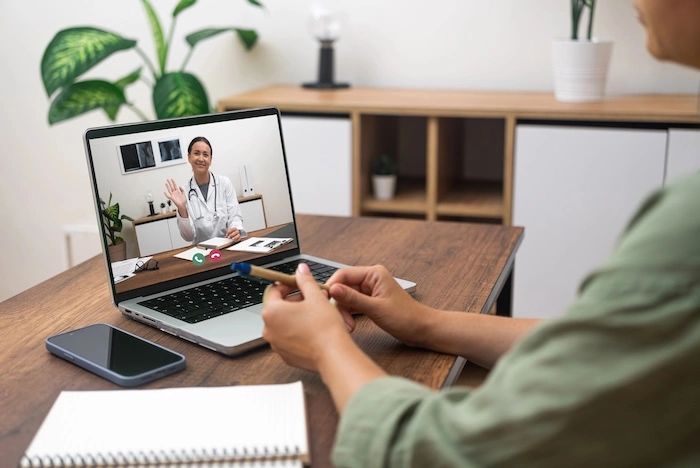
One of the most immediate benefits of telehealth is convenience. With telehealth services, individuals can consult with licensed healthcare providers from the comfort of their home using a phone, tablet, or computer. This eliminates the need to travel to a doctor’s office, sit in waiting rooms, or take time off work. For people with busy schedules, caregiving responsibilities, or mobility challenges, telehealth makes it far easier to seek timely medical advice.
Some telehealth plans integrate platforms with digital tools such as online portals, electronic prescriptions, and care coordination services. This creates a more seamless healthcare experience and empowers individuals to manage their health proactively.
Telehealth is particularly useful for non-emergency situations such as minor illnesses, follow-up appointments, medication management, and mental health services. Many telehealth plans offer 24/7 access to providers, allowing individuals to receive care during evenings, weekends, or even while traveling.
Lower Out-of-Pocket Costs
Telehealth visits often cost less than traditional in-person appointments. Many plans feature lower copays for virtual visits, and some even offer $0 copay telehealth services for certain types of care. By choosing telehealth when appropriate, individuals can save money on copays, transportation, childcare, and lost wages from taking time off work.
Additionally, telehealth can help prevent more costly healthcare expenses down the line. Quick access to a provider can address symptoms early, potentially avoiding urgent care or emergency room visits, which are far more expensive for both patients and healthcare organizations. When virtual access is easy and readily available, people are more likely to seek care early rather than delay treatment.
Improved Access to Specialists
For individuals living in rural or underserved areas, access to healthcare providers can be limited. Telehealth helps bridge this gap by connecting patients with specialists who may not be available locally. Plans often include virtual access to a broad network of specialists, such as dermatologists, mental health professionals, nutritionists, and chronic care specialists.
This expanded access can lead to faster diagnoses, better treatment plans, and improved health outcomes. It also reduces the need for long-distance travel, making specialized care more accessible and affordable.
Enhanced Preventive and Mental Health Care
Telehealth plays a significant role in preventive care and mental health services. Virtual wellness visits, health coaching, and behavioral health counseling are commonly covered and are often easier to schedule than in-person visits. Virtual sessions also reduce stigma, offer greater privacy, and make it easier for individuals to find a provider who fits their needs. This accessibility encourages people to seek care earlier and more consistently, which can result in stronger engagement and better continuity of care.
Improving the Healthcare Ecosystem
By offering affordable, accessible, and timely care, telehealth plans support better health outcomes while reducing costs and barriers to care. As healthcare continues to evolve, telehealth remains a key component in delivering high-quality care in today’s fast-paced world.
Visit the telehealth page to learn about plan options for members.